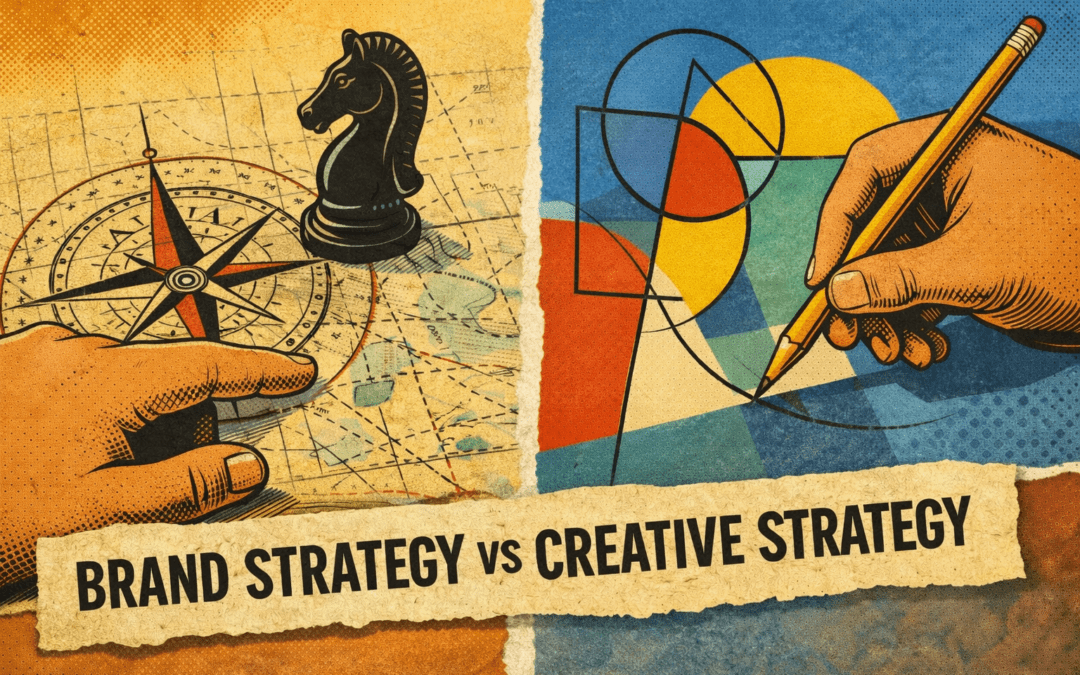
Most businesses don’t need more ideas. They need clearer direction. In this article I explain the difference between brand strategy and creative strategy, and why clarity leads to better decisions, stronger marketing, and more consistent growth.
This is where I share what I’m thinking, seeing, and learning as I work with founders, solopreneurs, and small teams—across brand strategy, marketing, focus, and building a business that actually works. You’ll find long-form insights alongside timely notes and announcements, all designed to help you make clearer decisions, reduce unnecessary complexity, and move forward with confidence.
Most businesses don’t need more ideas. They need clearer direction. In this article I explain the difference between brand strategy and creative strategy, and why clarity leads to better decisions, stronger marketing, and more consistent growth.
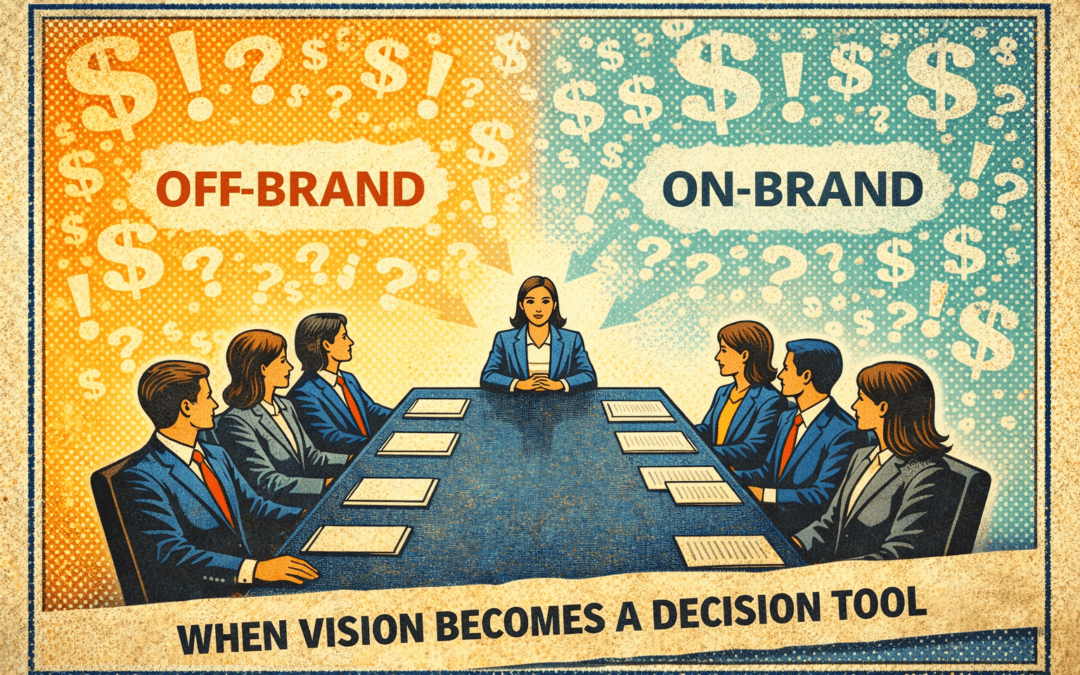
Clarity is a competitive advantage, not a luxury. By integrating a Vivid Vision and Brand Positioning into your organizational culture, you move the board from reactive problem-solving to a proactive system of alignment that ensures every decision moves the needle toward a shared future.
You can’t stick to the plan unless you make one. Why planning—not tactics—is the missing link between goals, strategy, and real momentum.
Reflecting on a decade in business, this 2025 year-in-numbers recap shares insights, client work, lessons learned, and what’s ahead for 2026.
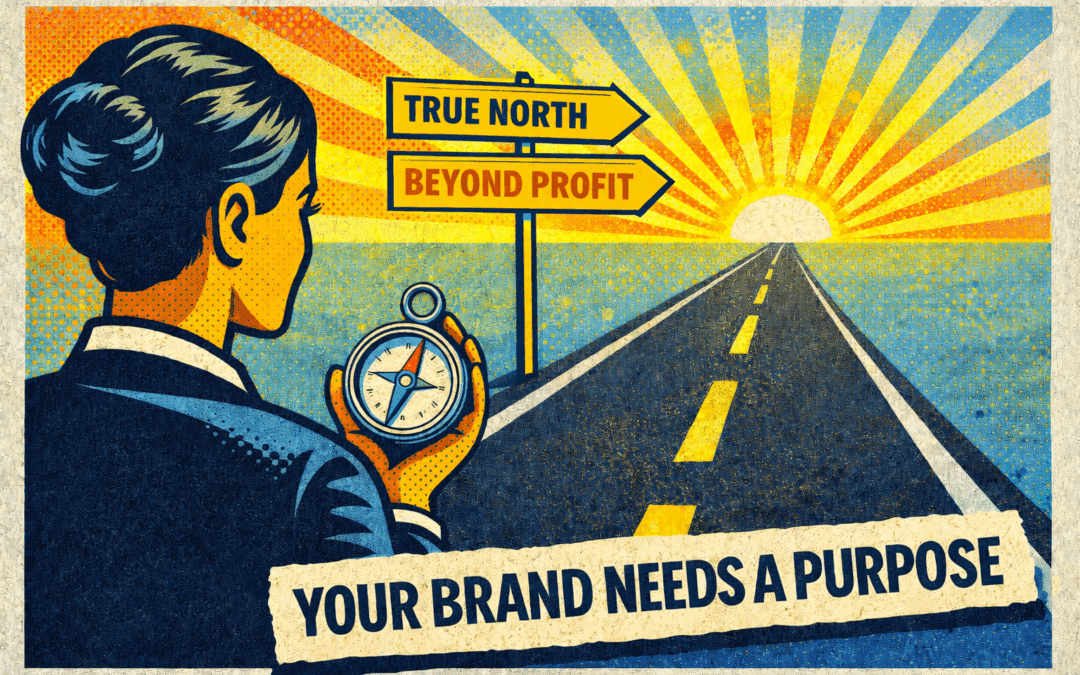
Mission, vision, values, and positioning statements are the most widely recognized strategic tools used to define a company’s business, strategic objectives, and overall approach to reach those objectives. Another less frequently recognized strategic statement that many companies neglect to employ is the Purpose statement.
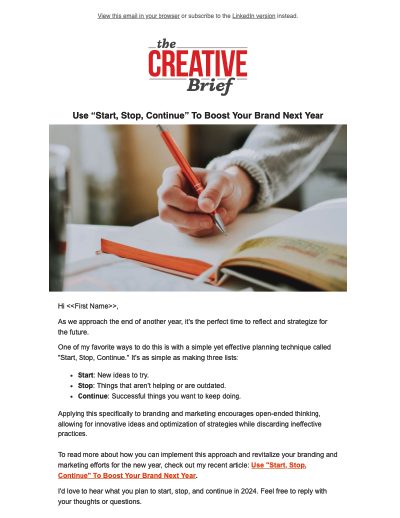
When your brand or marketing starts to feel scattered, clarity matters more than new tactics. A Start, Stop, Continue list is a simple three-step tool to help you decide what to focus on, what to let go of, and what’s already working.
Success in branding and business isn’t about big breakthroughs — it’s about showing up, day after day, and doing the work that builds momentum. From sales and networking to marketing and referrals, consistency beats complexity every time. Here’s how small, steady habits create big results for solopreneurs and small businesses.
Going solo is one of the scariest things you’ll ever do—not because of failure, but because of freedom. I’ve done it twice: once by choice, and once by circumstance. Each time taught me something new about fear, resilience, and what it really means to bet on yourself.
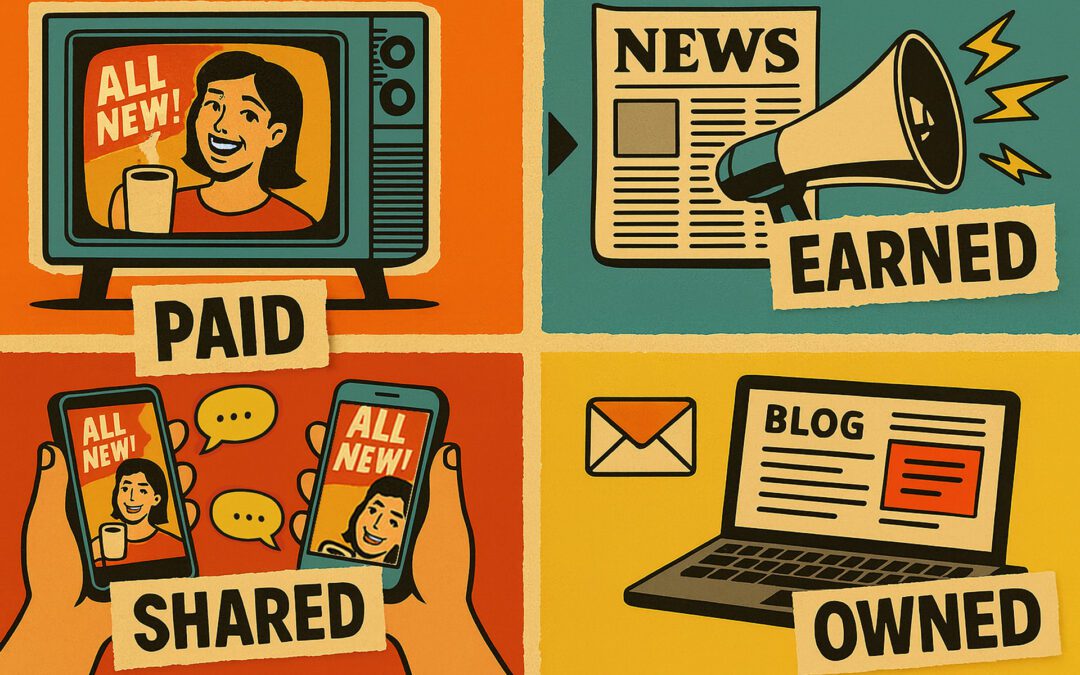
Paid, earned, shared, and owned media make up the core mix of modern brand marketing. When these four channels work together, they create visibility, credibility, and long-term growth—helping small businesses and solopreneurs build stronger brands.
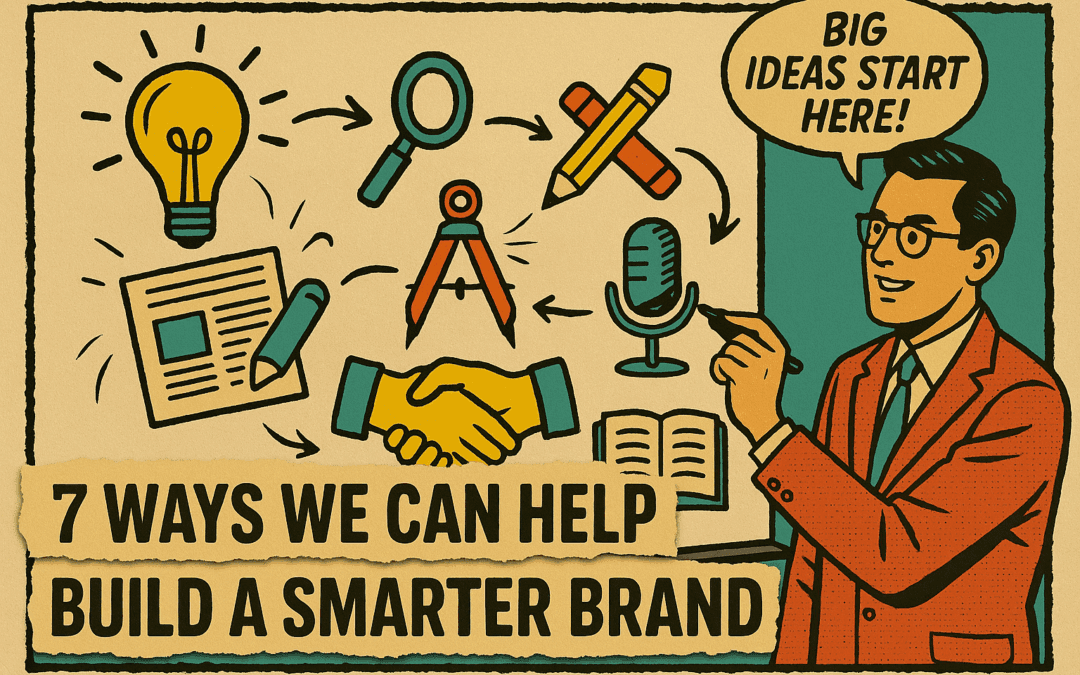
From focused strategic clarity and in-depth research to ongoing advisory and brand execution, here are the primary ways we strengthen positioning, decision-making, and long-term growth.
Reducing the workweek to four days or incorporating regular sabbaticals isn’t just a corporate trend—it’s a game-changer for freelancers and solopreneurs, too. Backed by research showing maintained productivity and improved well-being, shorter schedules can lead to better focus, reduced burnout, and a more sustainable creative life.
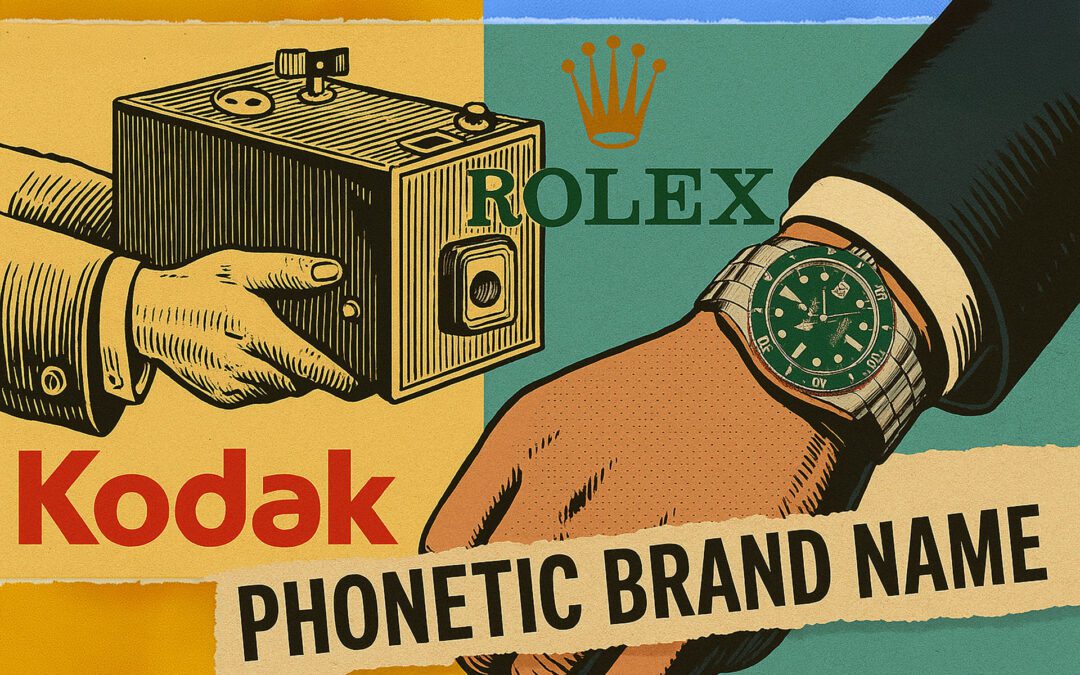
Rolex and Kodak may seem worlds apart, but both names were deliberately invented to sound distinctive, memorable, and universally pronounceable. Their shared philosophy shows that a name doesn’t need a definition to be powerful; it needs clarity, simplicity, and room to grow into meaning. The right name can shape perception, spark emotion, and build lasting brand identity.
Subscribe to The Creative Brief our monthly-ish un-newsletter about branding, marketing, and best practices to grow a referable brand. We take your privacy seriously. No spam, we promise!