
If you’re self-employed, this is the space for honest reflections, helpful systems, and mindset shifts that make solo work more sustainable. It’s not about doing more—it’s about doing what works for you. When you’re trying to grow a business that fits your life, not the other way around, start here.
Want more like this directly in your inbox? Subscribe to Solo(ish)

Make a Start, Stop, Continue List to Bring Clarity to Your Brand and Marketing
When your brand or marketing starts to feel scattered, clarity matters more than new tactics. A Start, Stop, Continue list is a simple three-step tool to help you decide what to focus on, what to let go of, and what’s already working.

The Scariest Thing I’ve Ever Done? Going Solo
Going solo is one of the scariest things you’ll ever do—not because of failure, but because of freedom. I’ve done it twice: once by choice, and once by circumstance. Each time taught me something new about fear, resilience, and what it really means to bet on yourself.

Making Space for Creativity: The Case for 4-Day Weeks and Sabbaticals
Reducing the workweek to four days or incorporating regular sabbaticals isn’t just a corporate trend—it’s a game-changer for freelancers and solopreneurs, too. Backed by research showing maintained productivity and improved well-being, shorter schedules can lead to better focus, reduced burnout, and a more sustainable creative life.

Feed the Right Wolf: Staying Visible When Business Feels Quiet
When business feels quiet, it’s tempting to pull back. But staying visible — even in slow seasons — builds trust, brand equity, and future opportunities.

How to Ask for Referrals (Without Feeling Weird About It)
Getting referrals is about doing great work, asking clearly, and saying thank you. Be specific in your ask so people know exactly who to refer. Build trust through genuine relationships and consistent follow-through. The more intentional you are, the easier it is for others to help you grow.

Small Cuts, Big Impact: Shaping Your Business Like a Bonsai
Running a business is like shaping a bonsai—small, intentional adjustments lead to sustainable growth. Instead of drastic changes, refine offerings, pricing, positioning, and processes over time. Prune what no longer serves you and cultivate a business that thrives. #entrepreneurship
Is your brand Holding you back?
Take this 15-minute brand clarity assessment and discover what’s holding your business back—so you can fix it fast.

The ABC (and D) of Who to Invite to a Networking Meeting
A steady stream of visitors is necessary to keep a chapter healthy and growing. But we...

Invite F.R.O.G.S – An Easy Way to Think About People to Invite to a BNI Meeting
When we look at the overall levels of member engagement in terms of attendance, one to...

Be Specific: 5-Point Checklist For Networking Commercials
During business networking meetings, such as BNI or Chambers of Commerce, you will have...

Present Like a Pro
Are you stressed out about your upcoming featured presentation? Are you worried about...
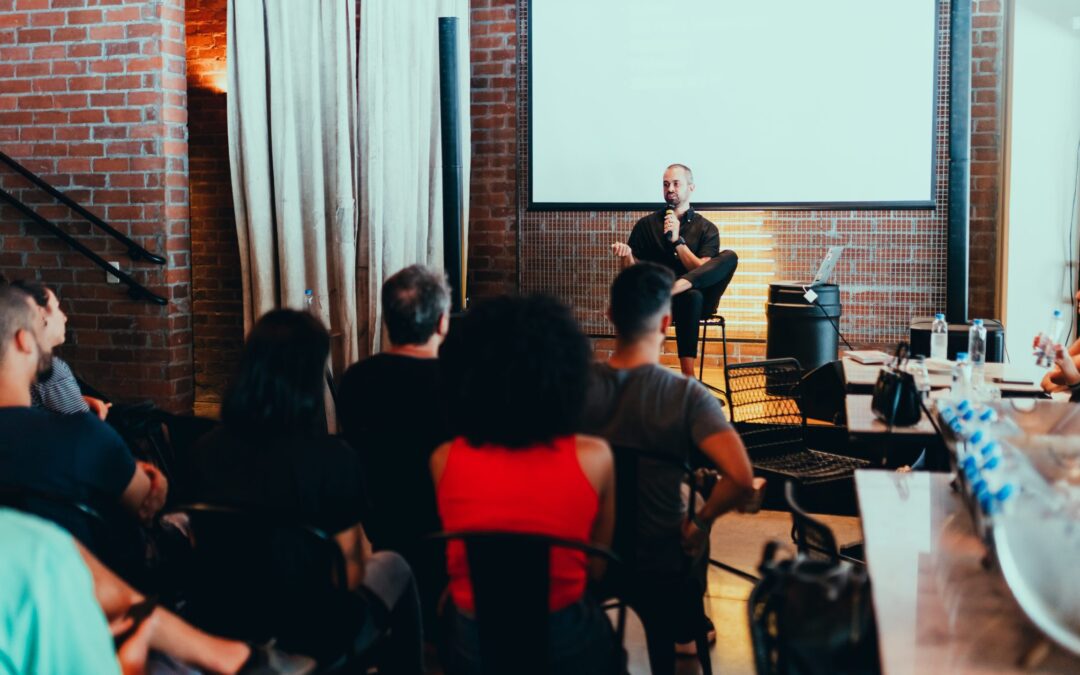
3+3+3=9 Minutes
Here are some secrets for planning and preparing for your 10-minute featured...
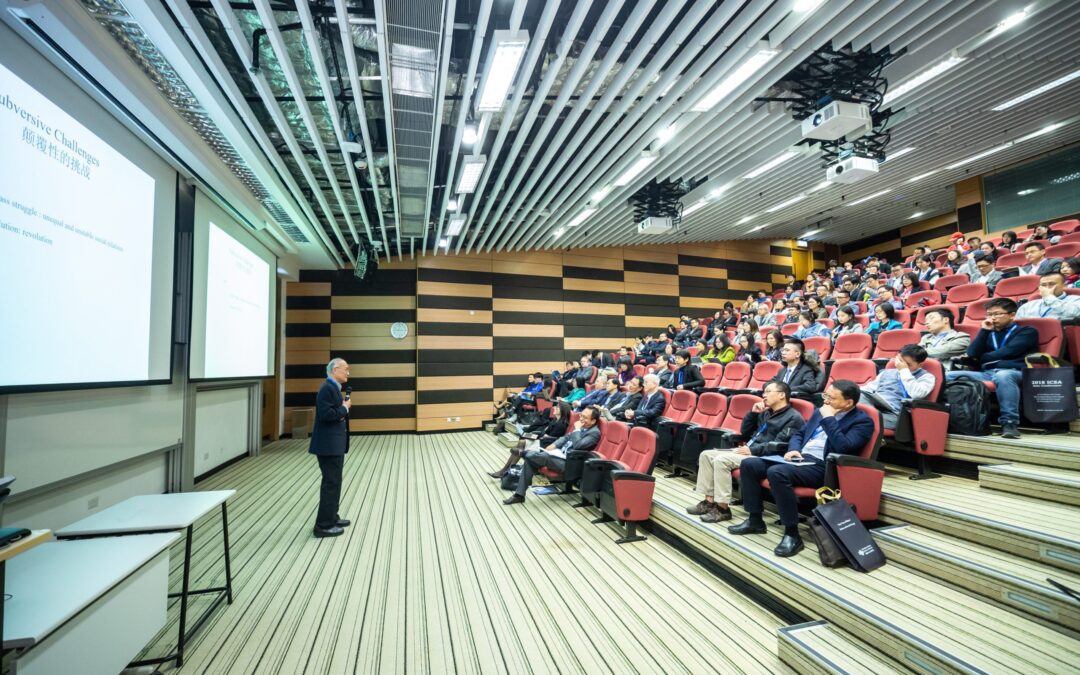
Specific is Terrific
Business professionals who want to do business by referral are often far too general in...

GAINS profile
So often, BNI members are frustrated about not getting more business referred to them....

How To Use Social Networks to…Network
If you’re like me, you have changed your approach to networking over the last seven months. As we have learned in our chapter, we can all find new clients by watching out for each other on Facebook. But Social networks are multifaceted tools being used to create awareness, promote, and build relationships!
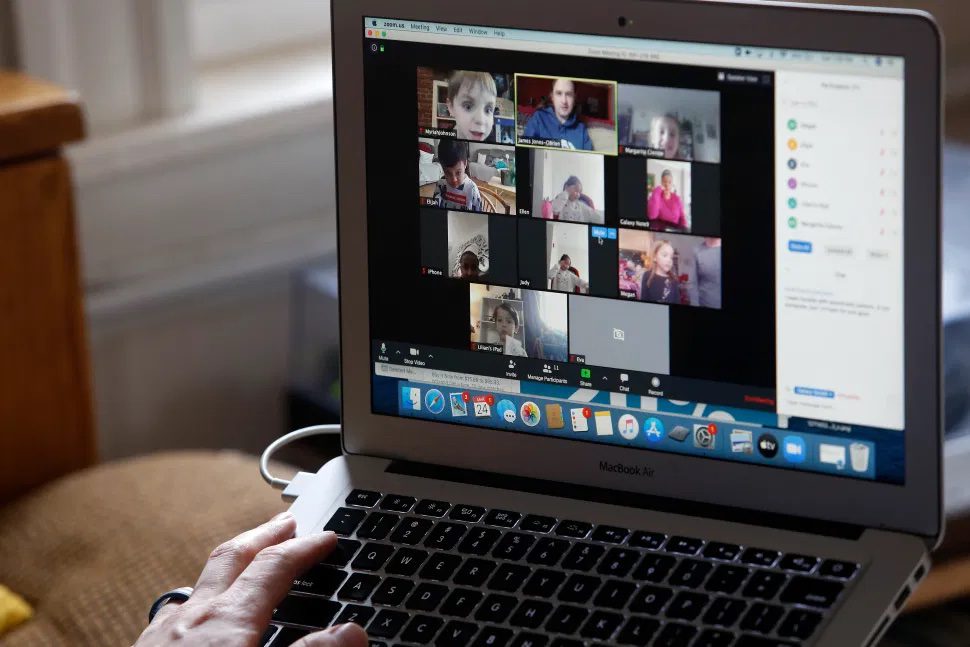
Build your VCP (Visibility, Credibility, Profitability) on Zoom
It’s been eight+ months since we started doing our weekly referral networking meetings over Zoom. For some, it’s comfortable and natural. For others, we’re either still finding our way or getting pretty tired of doing this virtually.

Networking Virtually…tips for the new normal
With social distancing becoming the norm, networking has moved to online platforms, but it is still an essential tool for building relationships. To be successful, you must have the right mindset, where you focus on how you can help others, not how they can help you. This approach builds mutually beneficial relationships, which is the goal of networking. You can start by nurturing existing relationships, checking in on close friends, family, and colleagues. To meet new people, you can target specific groups or be open to random connections. Allocating just 30 minutes a day to LinkedIn can be an effective way to network online by skimming your feed, commenting on relevant articles, and sending personalized messages to your connections.

We’re all working from home now.
Since so many people are working from now, and Brenits Creative is a 100% remote-work team, I wanted to share the four things that I have been doing consistently for 20 years.

To-Do, To-Don’t, To-Done!
Sometimes it feels like there’s a lot on my plate. I run my own business, sit on two boards, serve as leadership for my referral networking group, and I teach. Most importantly, I’m a husband and father. I have a lot of stuff that needs to get done every day. But I’m never overwhelmed enough to say, “my plate is overfull.”

Plan and run better meetings
Meetings are a necessary evil in our business. Between staff meetings, project planning...

I Went from In-House to Consultant—Here’s What Helped Me Succeed
By the end of 2015, after nearly eight years as an in-house creative director—and over two decades in the field—I found myself self-employed for the second time in my career. Now, as I enter my fourth year as a brand and creative strategy consultant, I recognize how the lessons I learned in-house have directly contributed to my success as a business owner. Looking back, I can also see that my consulting mindset and teaching instincts played a crucial role in leading in-house creative teams effectively.

3 Career Paths: Agency, Freelance or In-House?
As a design professional with almost 25 years of experience, I have worked in various roles, including as a freelancer, in-house creative services leader, creative director, and educator. There are three career paths available to creative – agency, freelance, and in-house – and choosing which one is right for you depends on four factors: stability, money, advancement, and passion.