You can’t stick to the plan unless you make one. Why planning—not tactics—is the missing link between goals, strategy, and real momentum.

You Can’t Stick to the Plan Unless You Make One
read more

From planning to promotion—get clarity on the channels, content, and consistency that move the needle.
You can’t stick to the plan unless you make one. Why planning—not tactics—is the missing link between goals, strategy, and real momentum.

Success in branding and business isn’t about big breakthroughs — it’s about showing up, day after day, and doing the work that builds momentum. From sales and networking to marketing and referrals, consistency beats complexity every time. Here’s how small, steady habits create big results for solopreneurs and small businesses.

Paid, earned, shared, and owned media make up the core mix of modern brand marketing. When these four channels work together, they create visibility, credibility, and long-term growth—helping small businesses and solopreneurs build stronger brands.
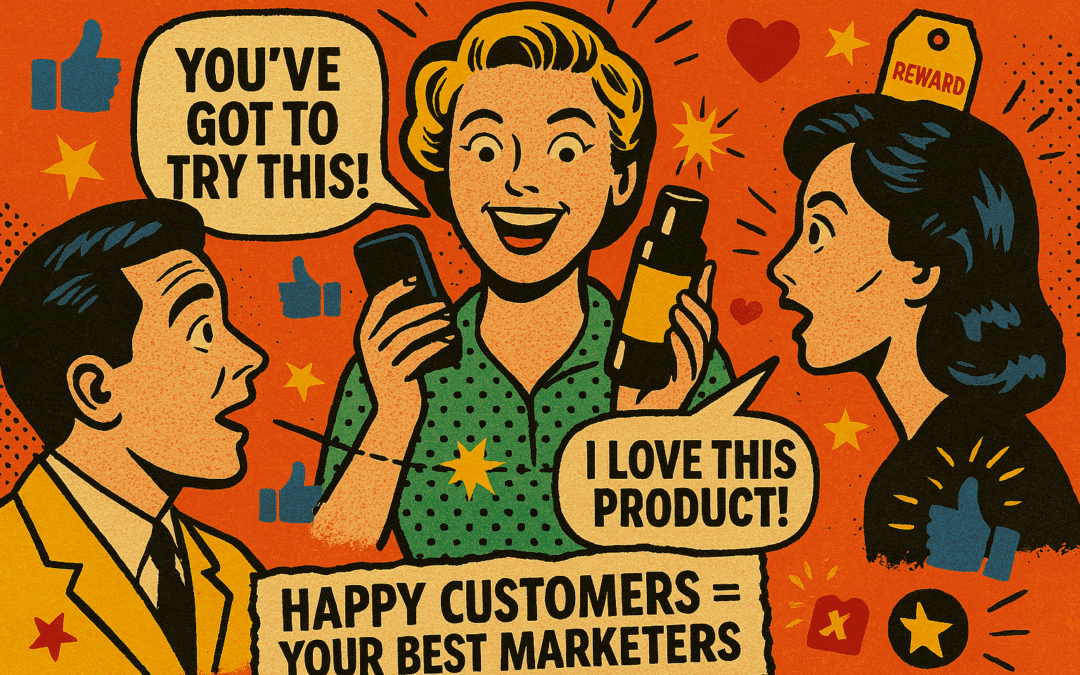
Referral marketing is a powerful strategy for small businesses, using personal recommendations to build trust, attract new customers, and foster loyalty—all while keeping costs low. It reflects the quality of your business and the trust it inspires, turning happy customers into enthusiastic advocates

Influencing the “buy” decision is both an art and a science. It requires a deep understanding of your audience, a clear articulation of your value proposition, and a strategic mix of marketing tactics that resonate with your target market.

Hit the ground running in the new year with a marketing action plan. If you want to succeed in 2024, you need to start thinking about it months ahead. These 9 action items will set you up for success.

While social media platforms provide tactical tools, they are just a part of a comprehensive marketing strategy. By expanding your tactics arsenal beyond social media, such as leveraging email newsletters, advertising, and engaging in speaking opportunities, you can connect with a broader audience. However, the key lies in adopting a strategic approach.

Advertising and promotion are often used interchangeably, but they have distinct purposes and roles in the marketing mix. By understanding the objectives and benefits of each approach, marketers can make informed decisions to reach their target audience and achieve desired outcomes.
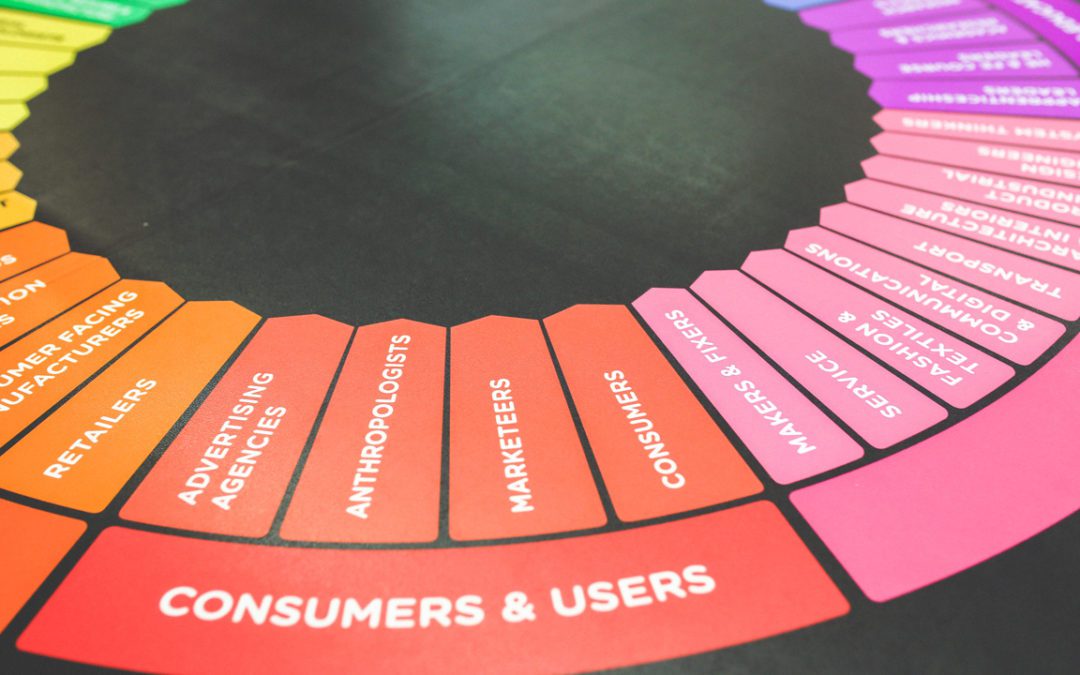
Even after 40 years (or 60 in the case of the original P’s), the Marketing Mix is still very much applicable to a marketer’s day to day work. A good marketer will learn to adapt the theory to fit modern times and their own business model.

Like any specialty, marketing has a language of its own. Recognizing some important terms and dropping them into conversations when talking to your marketing consultant would help us solve your business challenges.

Your website is a reflection of your business, the value you offer your prospects, and what it’s going to be like working with you.

It took just ten minutes to update my DNS settings, and almost two weeks to fix the problem I created. This article is a cautionary tale of letting better get in the way of good enough.