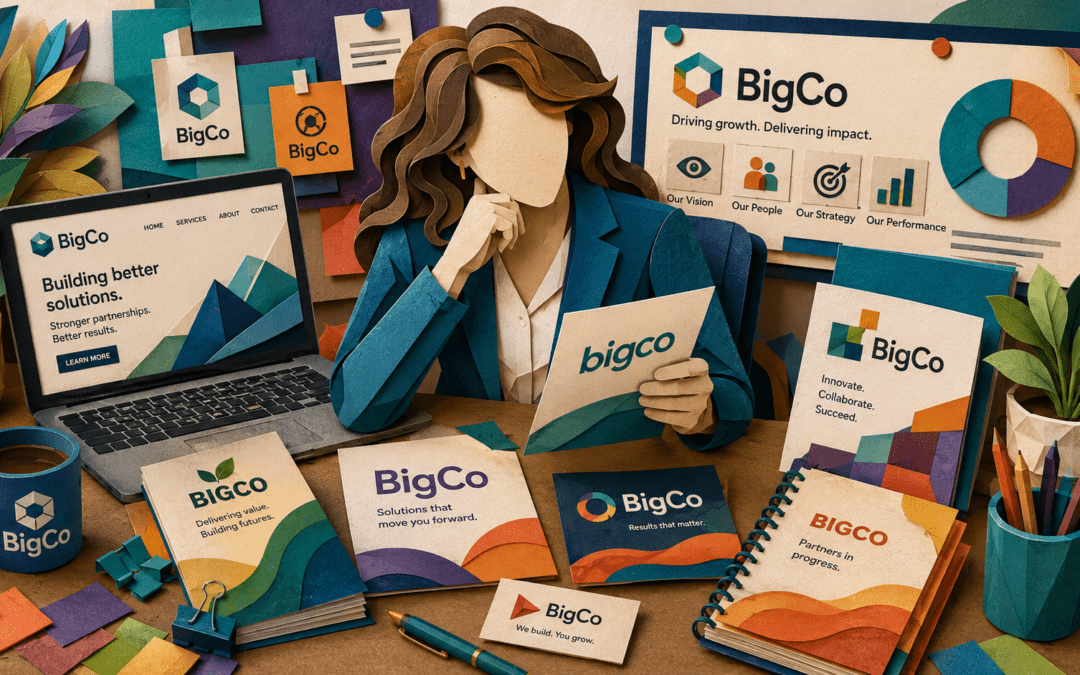
Most brands don’t struggle because they lack ideas. They struggle because their positioning, messaging, visuals, and customer experience aren’t working together consistently. Brand consistency is what turns strategy into trust over time.
Most businesses focus on logos, messaging, or design. But what actually holds a brand together is consistency. When positioning, messaging, and identity are aligned and applied consistently, decision-making gets easier, marketing becomes more effective, and your brand builds trust over time.
Pricing isn’t just a number, it’s a signal shaped by context. When your positioning is unclear, buyers define your value for you, often leading to price resistance. The issue usually isn’t your pricing—it’s how you’re being perceived.
In his latest interview with Bold Journey Andy Brenits shares insights on clarity, purpose, and business growth, explaining why most challenges aren’t execution problems but clarity problems, and how better thinking leads to better decisions.
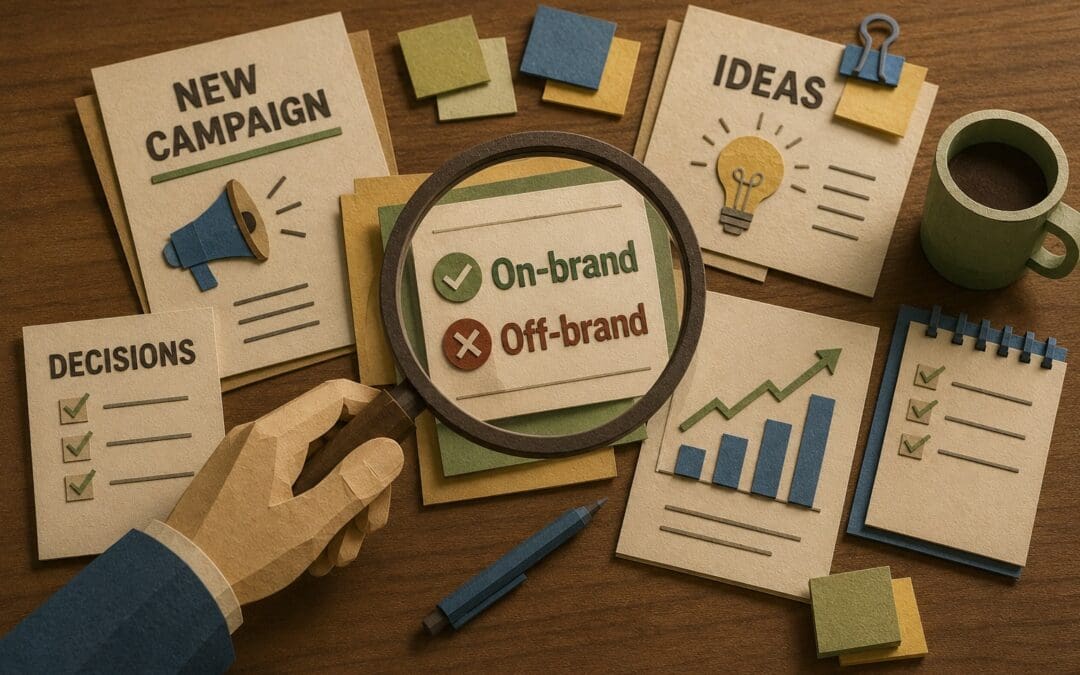
Q1 is done—and this is where many businesses start to drift. Not because of lack of effort, but because decisions are being made without a clear plan. Using a simple Start, Stop, Continue exercise helps you reset priorities, reduce noise, and make more consistent, on-brand decisions heading into Q2.
Most businesses don’t need more ideas. They need clearer direction. In this article I explain the difference between brand strategy and creative strategy, and why clarity leads to better decisions, stronger marketing, and more consistent growth.
Most inconsistent decisions aren’t caused by lack of effort—they’re caused by lack of clarity. When you pair a vivid vision with brand positioning, decisions become more consistent and easier to make. Instead of reacting in the moment, you can evaluate choices through simple filters that keep your business aligned.
Clarity is a competitive advantage, not a luxury. By integrating a Vivid Vision and Brand Positioning into your organizational culture, you move the board from reactive problem-solving to a proactive system of alignment that ensures every decision moves the needle toward a shared future.
Most businesses concentrate their marketing efforts in the platforms that feel familiar. But attention doesn’t always follow comfort. In this BrandTherapy Note, I explore why LinkedIn isn’t the center of the internet, what Reddit’s ranking reveals about audience behavior, and how to think more strategically about the role each channel plays in your marketing stack.
Social media feels ineffective when goals are unclear. Small businesses often measure the wrong metrics instead of tracking what drives real business outcomes.
Reflecting on a decade in business, this 2025 year-in-numbers recap shares insights, client work, lessons learned, and what’s ahead for 2026.
Success in branding and business isn’t about big breakthroughs — it’s about showing up, day after day, and doing the work that builds momentum. From sales and networking to marketing and referrals, consistency beats complexity every time. Here’s how small, steady habits create big results for solopreneurs and small businesses.